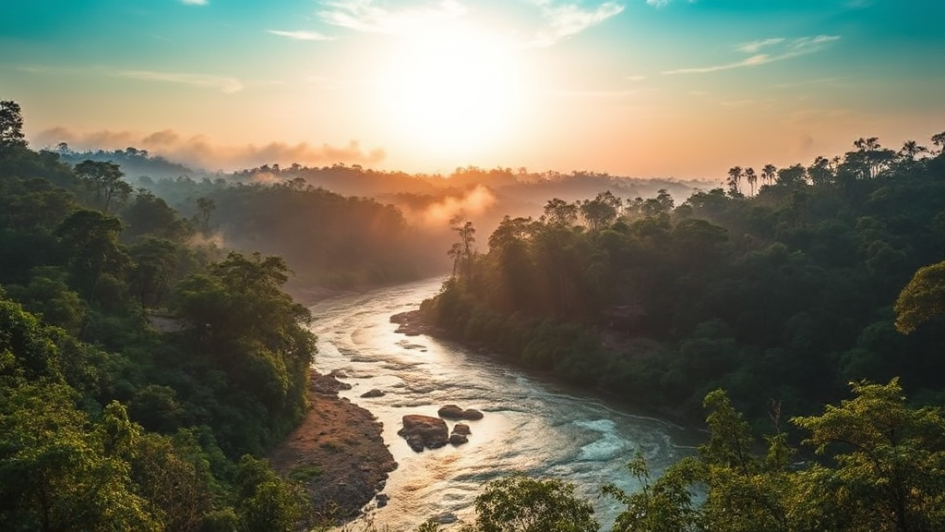
What to Pack for a Jungle Resort in Dandeli
There are two kinds of suitcases that arrive at the gates of dandeli jungle resorts. One is a hard-shell monster with wheels, stuffed with outfits for every imagined occasion and heavy enough to need two people to lift it onto the jeep. The other is a lean duffel that one person can swing onto a shoulder without grunting. Nine times out of ten, the lean duffel belongs to the guest who actually enjoys the forest, because jungle stays reward light, smart packing over sheer volume. You are not moving house. You are moving between the trees, the river and a cottage veranda for a few days, and everything you carry has to earn its place.
This is a checklist for first-time forest stayers, the travellers who tend to overpack for comfort and under-prepare for the realities of a humid, insect-rich, wonderfully unpredictable environment. Work through it category by category and you will arrive with exactly what you need and nothing that slows you down.
Clothing: Dress for Humidity, Not for a Fashion Show
Dandeli sits in the Western Ghats, which means warmth, moisture and the occasional sudden shower even outside the monsoon months. The single most important clothing decision is fabric. Cotton and quick-dry synthetics breathe; heavy denim and thick polyester trap heat and stay damp for hours. Pack two or three light, loose-fitting tops, a pair of comfortable trekking trousers or quick-dry cargos, and one pair of shorts for lounging around the cottage. That is genuinely enough for a three-night stay, especially since most jungle resorts offer laundry or at least a drying line.
Colour matters more than most people expect. Bright whites and neon shades stand out against the green and can disturb wildlife on nature walks; earthy tones like olive, khaki, brown and grey blend in and also hide dust and mud far better. Add a light long-sleeved layer for early mornings and evenings, when the forest cools down and the mosquitoes come out. A compact rain shell or poncho is non-negotiable if you are travelling between June and September, and still worth carrying in other months for unexpected drizzle.
Footwear deserves its own paragraph. Bring one pair of broken-in walking shoes or trail runners with decent grip, and one pair of sandals or flip-flops for the cottage and dining area. Do not bring brand-new boots; blisters on day one will ruin every activity after that. Socks should be quick-dry, and a spare pair tucked into your bag is a small luxury after a wet walk.
Gear and Gadgets: The Small Things That Change the Stay
The gear list for a jungle resort is short but specific, and most of it fits into a single pouch. A headlamp or small torch is the most underrated item on this list. Resort pathways go dark early, power can flicker, and a phone flashlight drains battery you may want for photos later. Pack a power bank, a universal charging cable and, if your resort is off-grid in patches, a spare battery pack. Signal in forest areas can be patchy, so download maps and any booking confirmations before you leave the main road.
Binoculars transform a stay. Even a modest pair turns a distant flash of colour into a hornbill or a langur, and guided nature walks become far more rewarding when you can actually see what the naturalist is pointing at. A dry bag or two protects phones, cameras and documents during river rafting and boat rides; most rafting outfitters provide basic protection, but your own dry bag is more reliable. Carry a refillable water bottle rather than disposable plastic, a small daypack for walks, and a lightweight towel that dries overnight.
If you are booking through a specialist like dandeli jungle resorts that bundles activities such as rafting into the stay, check what equipment is included before you pack. Life jackets, helmets and paddles are almost always supplied, so there is no need to haul your own. Leave the drone at home unless you have confirmed permission; many forest areas restrict them, and rules are enforced.
Health and Comfort: Prepare for Insects, Sun and Tired Legs
This is the category where first-timers under-prepare most. Insect repellent is essential, and a formulation with picaridin or DEET works better than most herbal alternatives in dense forest. Pack it in your daypack, not your suitcase, and reapply before evening walks. Long sleeves and trousers at dusk do more than any spray, so plan your outfits around mosquito hours. A small bottle of antihistamine cream or calamine lotion handles bites that slip through.
Bring a basic first-aid kit: adhesive bandages, antiseptic wipes, blister plasters, pain relief, ORS sachets for dehydration, and any personal medication in its original packaging with a copy of the prescription. Dandeli’s nearest pharmacies are a drive away, so assume you are on your own for minor issues. Sunscreen with a high SPF, a wide-brimmed hat and sunglasses protect you during open-water activities and mid-day walks. A reusable cloth or buff is useful for dust on safari-style drives.
Comfort items are personal, but a few earn their weight: earplugs for light sleepers unused to forest sounds, a small bottle of hand sanitiser, and a lightweight sleep mask if your cottage lets in early light. Leave behind heavy toiletries, hair dryers and anything that needs a plug adapter you have not tested. Most jungle stays are simple by design, and that simplicity is the point.
Documents, Money and What to Leave Behind
Keep your documents lean and waterproof. Carry a photo ID in a sealed pouch, printed or offline copies of your booking confirmation, and the contact number of your resort saved to your phone and written on paper. If you are travelling with a group, one person should hold a shared folder of confirmations so nobody is hunting through email at the gate. Carry some cash in small denominations for tips, snacks and minor purchases, since card machines and ATMs can be unreliable in and around forest areas.
Now the leave-behind list, which matters as much as the packing list. Leave the formal wear, the multiple pairs of shoes, the full-size toiletries, the laptop you will not open, and the stack of books you will not read. Leave valuables and excess jewellery at home. Do not bring plastic bags that will blow away, and do not bring speakers; loud music is unwelcome in a nature stay and disruptive to wildlife. If you are visiting a resort that lists specific properties such as Golden Eagle Jungle Stay or White Tusker Jungle Stay, read the individual stay notes, because some have different power, Wi-Fi and dining arrangements.
A final word on volume: lay everything out, then remove a third of it. A lean duffel leaves room for the one thing you cannot plan for, a spontaneous detour or a souvenir, and it makes you mobile when transport is a shared jeep rather than a private car. Pack for the forest, not for the flight.
Frequently Asked Questions
How many outfits should I pack for a three-night jungle resort stay?
Three tops, two bottoms, one warm layer, one rain shell and two pairs of footwear are enough. Choose quick-dry fabrics so you can rinse and reuse, and confirm whether your resort offers laundry before adding extras.
Do I need special shoes for river rafting in Dandeli?
Secure sandals with straps or old trainers that can get wet work well. Avoid loose flip-flops on the water. Most rafting outfitters supply helmets and life jackets, so check the package inclusions before you pack your own gear.
Is mosquito repellent really necessary at jungle resorts in Dandeli?
Yes. Dense forest and proximity to water mean mosquitoes are active, especially at dawn and dusk. Carry a proven repellent, wear long sleeves in the evening, and add antihistamine cream to your kit for bites.
What should I leave behind when packing for a forest stay?
Leave formal clothing, excess shoes, full-size toiletries, valuables, drones without permission, and portable speakers. Loud music and unnecessary clutter work against the quiet that makes a jungle stay worthwhile.
Leave a Reply